Property
Real estate in the Chantilly corridor
This site does not publish individual listings. It covers the housing stock, the pricing logic, and the market context that determine what a house here is actually worth.
The thesis
Built out, three miles from Uptown, and priced on craft
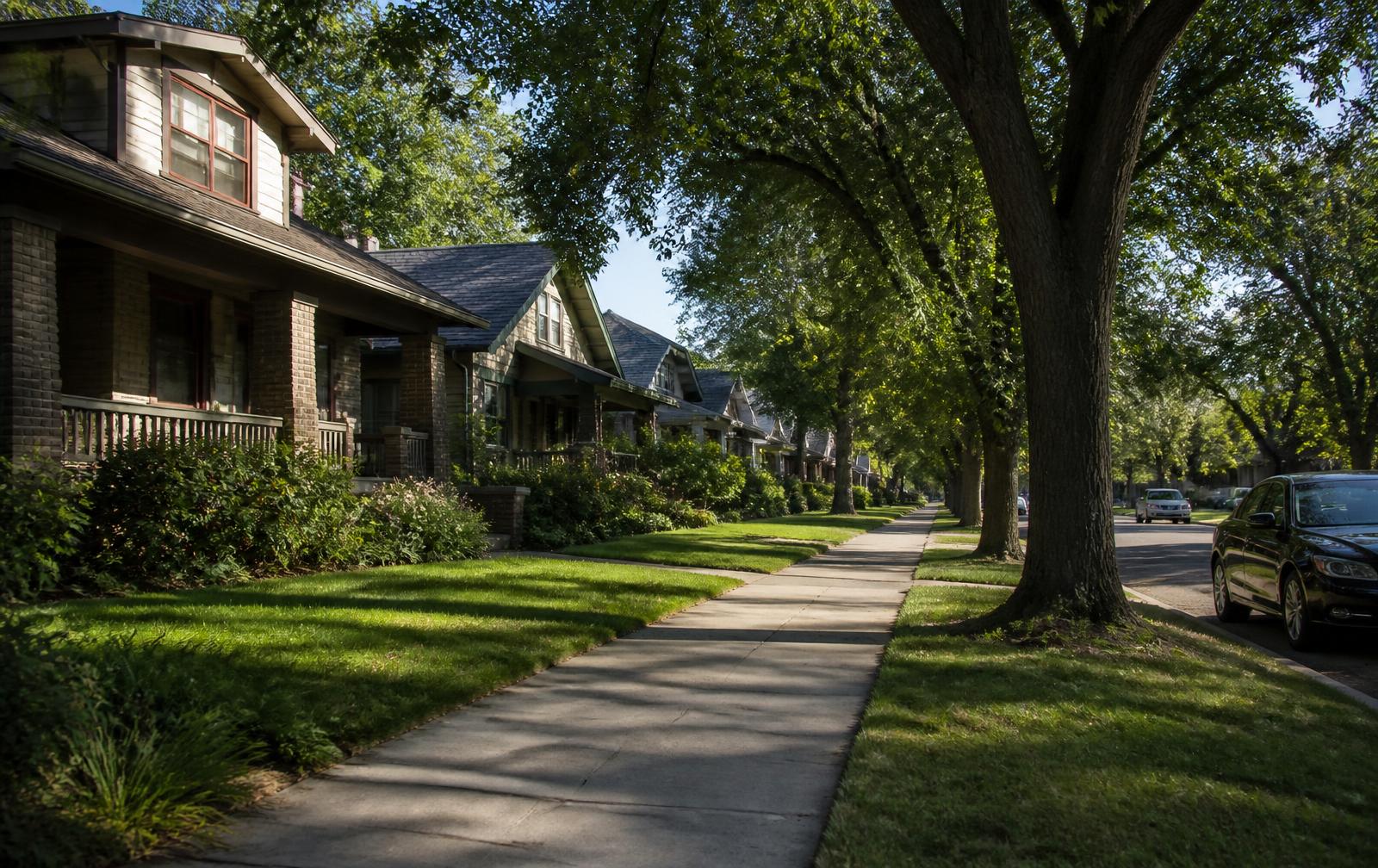
The historic neighborhoods of 28205 are effectively built out. New supply arrives only through rare infill, teardown replacement, and accessory units. Combined with three-mile proximity to Uptown employment, that constraint is the structural argument for the corridor.
Within that constraint, value is set by craft rather than square footage. The quality of a restoration, the discipline of an addition, the position of a lot relative to Briar Creek, and the intactness of the block itself explain most of the spread between two otherwise similar houses.
The market visibly discounts generic flips and rewards work that reads as original. That is unusual, and it is the single most important thing for a buyer or seller in this corridor to internalize.
Questions
Frequently asked
What is the Chantilly real estate market like?
+
It is a small, built-out, character-driven market where condition and renovation quality drive price more than square footage alone. Inventory is thin because there is very little land left to develop.
Are there new construction homes in Chantilly?
+
A limited amount, mostly on former flood-buyout parcels, vacant lots, or teardown sites. New builds that respect the surrounding roofline and setback pattern perform best on resale.
Do you list individual homes for sale?
+
No. This site covers market context, housing stock, and process; individual listings are handled by brokerages such as Peters & Associates.
How do renovation costs affect value here?
+
Substantially. Buyers price systems, roofs, foundations, and window condition, so documented mechanical and structural work usually returns more than cosmetic finishes.
Is 28205 a good investment area?
+
The corridor's proximity to Uptown, fixed supply, and rental demand are durable positives, but flood exposure, deferred maintenance, and renovation cost overruns are the risks worth underwriting. See Market Notes.