Comparison
Chantilly vs Elizabeth
Adjoining neighborhoods with different jobs: one is Charlotte's closest historic neighborhood to Uptown, the other is the quieter pre-war fabric behind it.
Side by side
The comparison table
| Measure | Chantilly | Elizabeth |
|---|---|---|
| Position | East Charlotte, 28205; east of Elizabeth, west of Briar Creek | Directly east of Uptown Charlotte; west of Chantilly |
| Uptown access | Roughly three miles; short drive or bike commute | Adjacent to Uptown; walking and biking are routine |
| Housing | Modest pre-war detached homes — bungalows, Tudor cottages, Colonial Revival | Broader historic range including larger and earlier homes, plus apartments and institutional uses |
| Density | Consistently low-density residential | Mixed, with denser blocks near the commercial and hospital areas |
| Commercial life | None inside the neighborhood; walk to Elizabeth or Plaza Midwood | Established restaurant and small-business stretch inside the neighborhood |
| Employment nearby | Commuter neighborhood | Major hospital campuses and Uptown employment at the doorstep |
| Green space | Briar Creek corridor and the Chantilly Ecological Sanctuary | Established neighborhood parks and greenway connections |
| Price positioning | Generally more house per dollar in the same corridor | Generally higher, reflecting proximity and housing scale |
| Suits | Buyers wanting quiet, canopy, and pre-war character at a lower entry point | Buyers prioritizing the shortest possible commute and in-neighborhood amenities |
History
Why they developed differently
Elizabeth came first. Chantilly filled in behind it as the city pushed east.
Elizabeth is one of Charlotte's earliest streetcar suburbs, developed close to the center city and shaped early on by institutions — a college, then hospitals — that still define its land use. That head start explains its larger and more formal housing, its denser blocks, and its established commercial stretch.
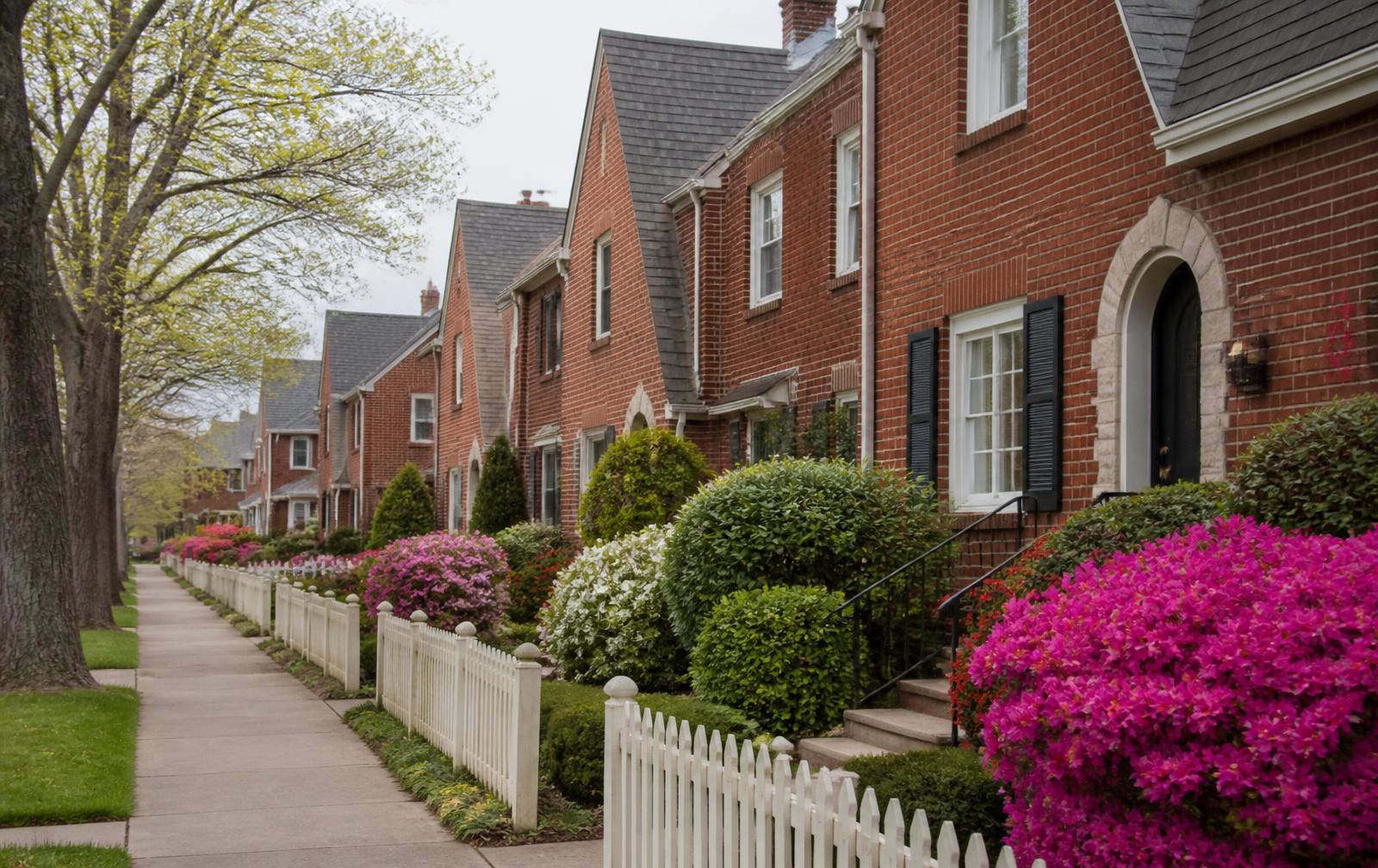
Chantilly was platted and built out later, on ground farther east and closer to Briar Creek. It was developed as everyday housing rather than showpiece housing, which is precisely why it survives so intact today: modest homes on modest lots attracted less redevelopment pressure through the twentieth century.
The full account is on the Chantilly history page, with the built results catalogued under architecture.
Choosing
The practical trade
Distance to Uptown against dollars per square foot and quiet.
Buyers comparing these two are usually weighing commute against budget. Elizabeth buys minutes; Chantilly buys space, canopy, and a quieter street for the same money. Both put you inside the same restaurant geography, since Plaza Midwood and the Central Avenue corridor are accessible from either.
Renovation potential is a genuine differentiator: Chantilly's smaller houses on narrow lots leave room for well-designed rear additions that materially change a floor plan, and the market rewards that work.
Also compare Chantilly and Plaza Midwood, or start with the Chantilly neighborhood guide.
Questions
Frequently asked
Is Chantilly next to Elizabeth?
+
Yes. Elizabeth adjoins Chantilly on the west. The two are separate Charlotte neighborhoods with different development histories, but the western blocks of Chantilly are within walking distance of Elizabeth's commercial stretch.
Which is closer to Uptown Charlotte?
+
Elizabeth. It sits directly east of Uptown, while Chantilly is farther east, roughly three miles from center city. In practice both are short drives, and Elizabeth is the more realistic routine walk or bike commute.
Which is more expensive?
+
Elizabeth generally carries higher prices, driven by proximity to Uptown and the hospital campuses and by its larger historic housing. Chantilly typically offers more house per dollar within the same corridor. Verify current figures against recent closed sales rather than asking prices.
How does the architecture differ?
+
Both are pre-war, but Elizabeth includes a broader range of larger, earlier, and more formal historic housing alongside apartments and institutional buildings. Chantilly is more consistently a neighborhood of modest detached houses — bungalows, Tudor cottages, and traditional two-stories.
Which is better for families?
+
Neither universally. Both are address-dependent for school assignment, which must be confirmed with Charlotte-Mecklenburg Schools. Chantilly offers quieter streets and more yard per dollar; Elizabeth offers shorter commutes and a denser mix of amenities.