Buying
The Chantilly Buyer Profile
Who actually buys in 28205, what they are buying, and which houses suit each kind of owner.
Overview
Fit matters more here than in a market with options
When only a handful of houses are available at a time, the question is not whether a house is good — it is whether it is good for you.
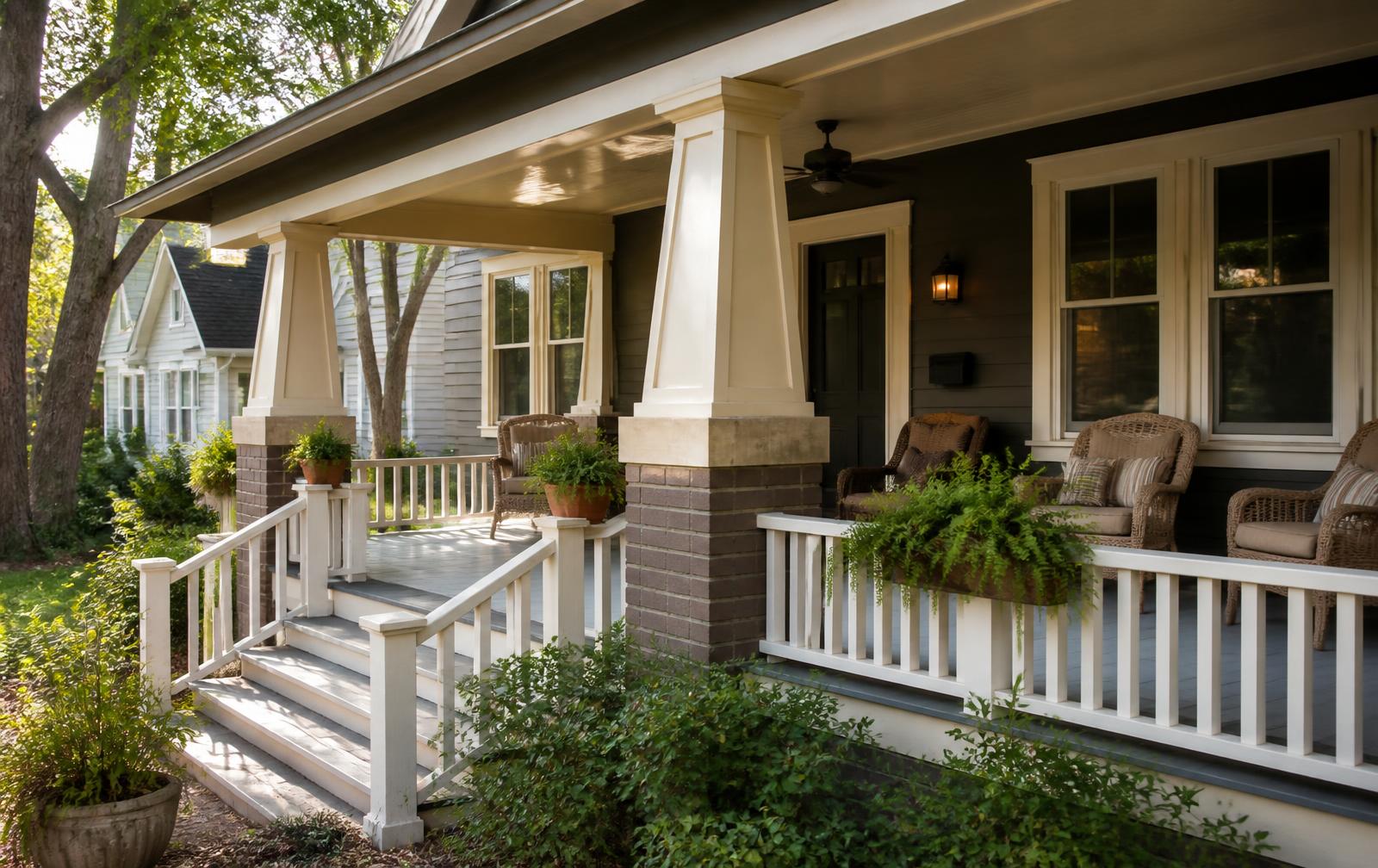
Chantilly's housing stock is narrow and specific: mostly 1920s through 1940s bungalows, cottages, and Tudors on modest lots under a mature willow oak canopy, with scattered in-fill and a growing number of thoughtfully restored houses. That narrowness means the neighborhood suits some buyers extremely well and others poorly, and the difference shows up in renovation budgets and resale rather than in the first walk-through.
The profiles below describe the buyers who consistently do well here, the stock each one should be looking at, and the specific risk each is most likely to underestimate. Read them alongside the buyer's journey for sequencing and the buyer checklist for line-item verification.
If you are comparing neighborhoods, the Chantilly vs Plaza Midwood and Chantilly vs Elizabeth comparisons cover price, character, and daily life differences directly.
| ZIP code | 28205 |
|---|---|
| Distance to Uptown | About three miles |
| Dominant stock | 1920s–1940s bungalows, cottages, Tudors |
| Typical lot | Modest, tree-canopied, walkable street grid |
| Best fit | Restoration-minded, walkability-first owners |
| Poor fit | Large new-build, low-maintenance requirements |
| Budget framing | Purchase price plus renovation reserve |
Profiles
Six buyers who end up in Chantilly
Find yourself here, then look at the stock that actually matches.
The in-town first move-up
Leaving a condo or apartment, unwilling to leave the core
What they want
- A yard and a porch without a suburban commute
- Walkable coffee, dining, and greenway access
- A house small enough to renovate in stages
Stock that fits
Two-bedroom bungalows and cottages on interior streets, often the least renovated stock on the block.
What to verify
Underestimating systems cost. Price the electrical panel, sewer line, and crawlspace before falling for the front elevation.
The restoration owner
Buying the house for what it is, not what it could be flipped into
What they want
- Original sash windows, heart pine floors, and intact millwork
- A block with unbroken pre-war character
- A builder who restores rather than replaces
Stock that fits
1920s–1930s houses with good bones and honest deferred maintenance, including ones other buyers pass on.
What to verify
Permit history. Prior unpermitted additions are the single most common surprise in due diligence here.
The walkability family
Trading square footage for canopy, sidewalks, and three miles to Uptown
What they want
- Parks, the Briar Creek greenway, and safe walking routes
- Room for a rear addition later
- Clarity on Charlotte-Mecklenburg school assignment by address
Stock that fits
Larger bungalows and Tudors, or renovated houses where an addition is already framed and permitted.
What to verify
Floodplain exposure on creek-adjacent parcels, and whether an addition is realistic given lot setbacks.
The long-horizon downsizer
Smaller lot, same city, no interest in moving again
What they want
- Single-level living or a house that can be adapted to it
- Low-maintenance envelope after one thorough renovation
- Neighbors and services within walking distance
Stock that fits
Fully renovated houses where systems, roof, and drainage are already resolved.
What to verify
Paying a premium for cosmetic work that hides unaddressed structure. Verify what was actually replaced.
The build-to-suit owner
Buying a lot or a tear-down candidate and building new in-fill
What they want
- A parcel that supports the intended footprint
- A builder fluent in in-town permitting
- A design that respects the street rather than fighting it
Stock that fits
Compromised structures, odd lots, and parcels where restoration economics do not work.
What to verify
Setbacks, tree ordinance implications for mature willow oaks, and neighborhood reaction to scale.
The relocating buyer
New to Charlotte, comparing Chantilly against Plaza Midwood and Elizabeth
What they want
- An honest read on how the three neighborhoods differ
- Commute, dining, and school context in one place
- Local representation in a market with thin inventory
Stock that fits
Whatever comes up during a short search window — which is why preparation matters most for this group.
What to verify
Assuming listing photography reflects condition. Tour, then verify with a builder during diligence.
Matching the team to the profile
Different buyers need different specialists first
Restoration owners and downsizers usually start with a builder, because the entire value question is condition; Peters Custom Homes works on pre-war structure and systems in this corridor. Walkability families planning an addition and buyers of fully renovated houses tend to bring in Emerald & Oak early so the design direction is set before millwork and finishes are ordered, and Peters Audio Video while walls are open. Relocating buyers, who have the shortest search window, lean hardest on local representation such as Peters & Associates.
Firm profiles and what to ask before engaging are on the network page.
Questions
Frequently asked
Who buys homes in Chantilly, Charlotte NC?
+
Chantilly draws four recognizable groups: first-move-up buyers leaving apartments or condos in-town, restoration-minded owners who want a pre-war house and will invest in it, families anchoring on walkability and Charlotte-Mecklenburg school assignment, and long-horizon owners downsizing into a smaller lot without leaving the city core.
Is Chantilly a good neighborhood for first-time buyers?
+
It can be, provided the buyer budgets for condition rather than assuming move-in readiness. The advantage is location and canopy at a smaller footprint; the risk is a century-old house with deferred systems. First-time buyers who succeed here treat the renovation reserve as part of the purchase price.
Is Chantilly good for families?
+
Yes for families who value walkability, parks and the Briar Creek greenway, and proximity to Uptown over square footage. Lots and floor plans are modest by suburban standards, so families often plan a rear addition rather than a larger house elsewhere. School assignment is by address through Charlotte-Mecklenburg Schools and should be confirmed per parcel.
What kind of buyer should avoid Chantilly?
+
Buyers who need a large, new, low-maintenance house on a big lot, or who cannot tolerate renovation risk and permit timelines, are usually happier in newer Charlotte submarkets. Chantilly rewards owners who want an older house and are willing to steward it.
What is the typical Chantilly home buyer budget?
+
The useful budget is purchase price plus renovation, because condition varies dramatically house to house on the same block. Buyers should carry a separate reserve for systems, envelope, and structure, and confirm their all-in ceiling before touring.
Do investors buy in Chantilly?
+
Some do, but the market discounts generic flips and rewards restoration that reads as original. Short-horizon buyers competing on cosmetic turnaround generally underperform owners who hold and restore.