The Micro-Geography of Chantilly Charlotte Real Estate
Tucked cleanly between the historic grandeur of Elizabeth, the bohemian commercial vitality of Plaza Midwood, and the tranquil expanse of Commonwealth Park, Chantilly occupies an enviable pocket of the 28205 housing market. Unlike sprawling suburban tracts, Chantilly spans just a handful of tree-canopied streets—most notably Chantilly Lane, Bay Street, Shenandoah Avenue, and Chesterfield Avenue—culminating at the edge of the Chantilly Ecological Sanctuary and Briar Creek greenway. This geographic compression creates a market micro-climate where supply is perpetually restricted and residential identity remains fiercely intact.
For prospective buyers evaluating Chantilly Charlotte homes for sale, understanding this spatial footprint is essential. The neighborhood avoids major vehicular cut-through traffic thanks to the natural buffer of Briar Creek to the east and the bounded layout near Independence Boulevard. At the same time, it sits merely minutes from the bustling independent dining and retail corridors along Central Avenue and Commonwealth Avenue. This balance of quiet residential life and immediate urban connectivity underpins the durable value of Chantilly Charlotte real estate through every shifting market cycle.
Because the neighborhood consists of only several hundred single-family parcels, inventory movements do not always mirror citywide trends. A shift of three or four properties coming to market simultaneously can noticeably alter local absorption rates. Buyers and sellers alike must look beyond broad metro-level headlines and examine the distinct street-by-street dynamics that govern this tight-knit enclave.
Architectural Tiers and Pricing Bands Across the Neighborhood
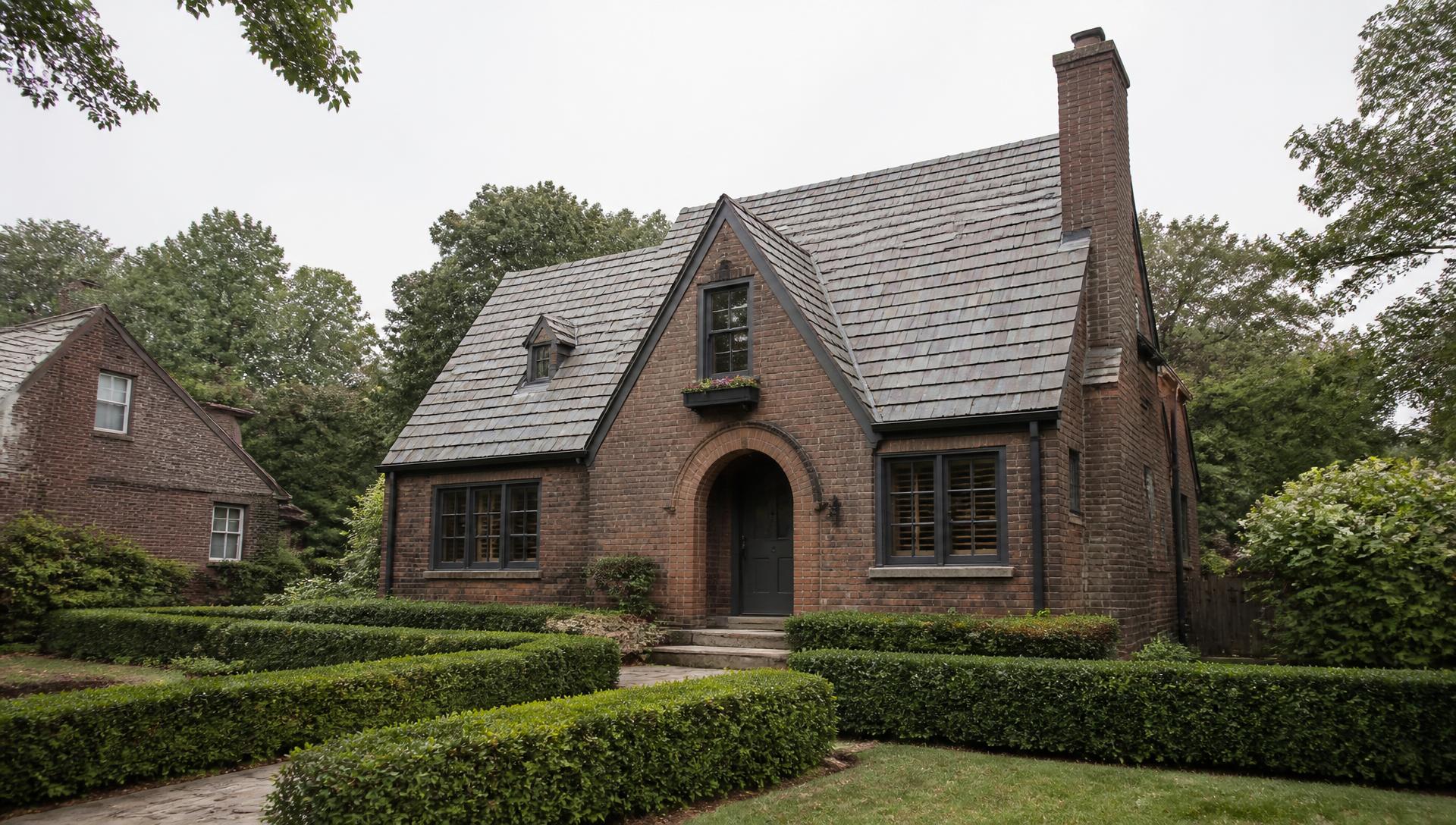
The housing stock in Chantilly is defined by three distinct historical layers, each occupying its own valuation band and appealing to specific buyer profiles. The oldest tier comprises original 1930s Craftsman bungalows and modest Tudor Revival cottages. These homes, distinguished by clinker brick facades, steeply pitched gables, and original heart-pine flooring, represent the historic soul of the neighborhood. When preserved or carefully restored, they command significant per-square-foot premiums despite their smaller initial footprints.
A second tier consists of mid-century brick ranches and cottages built during the post-war building boom of the 1940s and 1950s. Often located along the gentler contours of Bay Street or near the ecological sanctuary, these single-level residences provide classic structural integrity and generous lot proportions. Many serve as canvases for sophisticated rear additions or full interior reconfigurations, bridging the gap between historical charm and contemporary floor plans.
The upper tier features bespoke modern infill and substantial custom residences. When executed with respect for the neighborhood's scale—often commissioned through reputable builders like Peters Custom Homes—these properties command the pinnacle of local pricing. Rather than the generic modern farmhouses that occasionally saturate less regulated corridors, the most successful new residences in Chantilly incorporate traditional architectural vocabularies such as painted brick, deep eaves, copper guttering, and classic front porches that harmonize with the historic streetscape.
Inventory Patterns and Seasonal Rhythm in 28205
Seasonality in Chantilly follows a subtle, sophisticated rhythm distinct from typical suburban patterns. While spring traditionally introduces an uptick in listings, the late summer and early autumn market frequently sees highly deliberate movements. Discerning sellers often list during this window to capture buyers who prioritize being settled along quiet streets before year-end, while taking advantage of the neighborhood's mature tree canopy at its fullest aesthetic expression.
Throughout the year, the supply of available Chantilly Charlotte homes for sale remains constrained. Properties that are accurately priced and architecturally coherent tend to transact swiftly, often attracting multiple qualified offers before reaching widespread public awareness. Conversely, homes requiring deferred maintenance or suffering from awkward historic additions require calibrated pricing strategies and an understanding of restoration capital requirements.
This structural scarcity creates an environment where days on market figures can be deceiving. Well-maintained original bungalows and exceptional high-end infill frequently move within days, while unique properties requiring extensive structural or cosmetic realignment may undergo measured negotiation periods. Both buyers and sellers are advised to review rolling multi-month transactional patterns rather than weekly snapshots.
Chantilly vs. Plaza Midwood and Elizabeth: Comparative Dynamics
Navigating the inner-east Charlotte corridor requires understanding how Chantilly differs from its immediate neighbors. To the west, Elizabeth offers grander, earlier historic estates, historic streetcar lineage, and higher average lot entry points. Elizabeth's prestige comes with higher acquisition costs and historic district oversight that governs exterior modifications with rigorous precision.
To the north, Plaza Midwood delivers an energetic, eclectic urban environment with immediate proximity to iconic commercial anchors. However, Plaza Midwood's larger footprint encompasses a broader spectrum of commercial zoning interfaces, higher pedestrian foot traffic, and greater variance in block-by-block consistency. Chantilly offers a distinctly quieter, purely residential alternative while remaining close enough to enjoy Plaza Midwood's culinary destinations on foot.
Within the broader 28205 housing market, Chantilly represents an equilibrium point. It offers comparable long-term capital preservation to Elizabeth alongside the walkability and communal warmth of Plaza Midwood, but with lower overall density and fewer commercial encroachments. For many buyers, the presence of the Chantilly Ecological Sanctuary and direct access to Briar Creek greenway tip the balance decisively in favor of this secluded pocket.
Renovation Capital, Interior Design, and Modern Integration
Preserving a historic cottage while adapting it to contemporary standards requires a nuanced design philosophy. Successful property owners in Chantilly rarely alter the original street-facing facade without painstaking attention to historic proportion. Instead, capital is invested into high-yield interior architectural improvements: expansive rear open-plan living suites, tailored sculleries, and seamless transitions to covered outdoor living areas.
Interior spaces within Chantilly's renovated homes increasingly reflect sophisticated, layered aesthetics. Designers such as Emerald & Oak are frequently engaged to juxtapose historic moldings and vintage mantels with bespoke millwork, curated lighting, and warm natural stone. The objective is never to erase the home's historic provenance, but rather to complement its intrinsic warmth with refined modern living standards.
Similarly, the integration of residential technology has become a quiet standard in high-end Chantilly renovations. Discerning homeowners routinely coordinate with specialists like Peters Audio Video to embed architectural speakers, subtle lighting automation, and modern data infrastructure behind historic plaster or tongue-and-groove paneling. This invisible modernization ensures that classic architecture delivers the operational ease expected of a modern luxury home.
Strategic Advice for Buyers and Sellers in Chantilly
For buyers entering the Chantilly Charlotte real estate arena, preparation and precision are paramount. Given the compressed inventory, working with a well-connected local advisory firm like Peters & Associates ensures visibility into off-market possibilities and immediate intelligence when new properties emerge. Buyers must also approach structural inspections with historic literacy, understanding the difference between standard settlement in 1930s framing and actionable foundation concerns.
Sellers, on the other hand, must resist the temptation to rely solely on scarcity. While demand in 28205 remains consistently high, today's buyers are discerning and value transparency. Comprehensive pre-listing preparation—including structural servicing, professional architectural photography, curated staging that honors historic scale, and clear documentation of municipal permits—drives the highest transactional certainty and pricing strength.
Ultimately, Chantilly is an asset class built on community stability, architectural authenticity, and an irreplaceable location. Whether acquiring a classic cottage on Shenandoah Avenue or transitioning out of a custom-built residence near Briar Creek, market participants who respect the neighborhood's unique architectural heritage and local dynamics will consistently achieve the best outcomes.
Published September 13, 2026 · Discover Chantilly editorial